An iPhone Built for One
AI makes it cheap enough to build software for an audience of one, so I'm rebuilding my iPhone Home Screen.



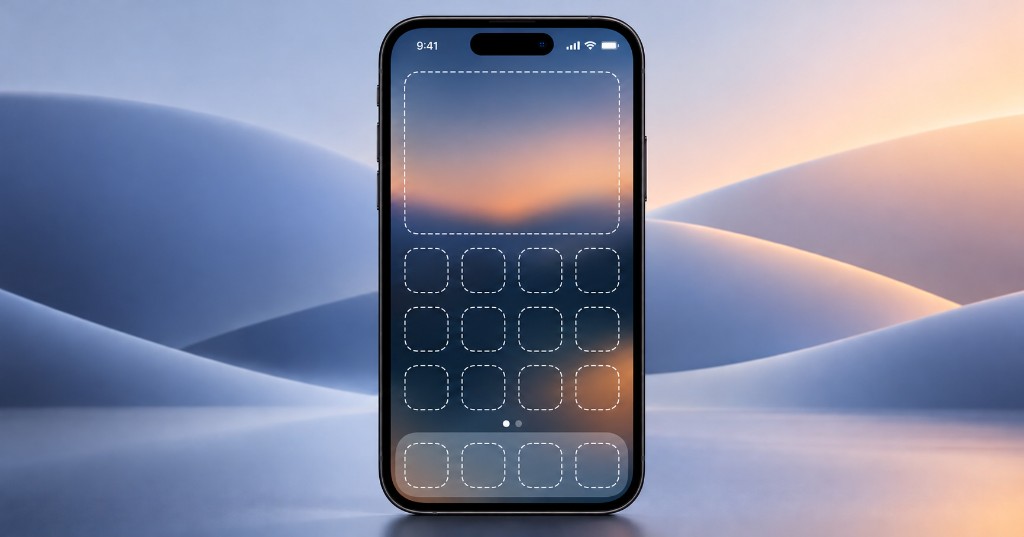
AI is changing how we use computers. Chatbots introduced conversational interfaces, reasoning models made them substantially more capable, and now AI agents are performing work on our behalf.
Some traditional interfaces may become unnecessary, but AI also creates opportunities to dramatically improve the ones we keep. I want to explore that potential, starting with the computer I use most: my iPhone.
Apple's Problem
Apple has to design the iPhone for billions of people, which inevitably pushes its software toward the lowest common denominator. That's not necessarily a criticism; it's the reality of building a product that needs to work for an enormous range of people.
AI creates opportunities for much deeper personalization, with software that understands my interests, priorities, and how I actually use my phone. I expect Apple to make progress, but I don't want to wait for its version of personalization to catch up with what I want.
Personalized Software
Software has traditionally needed a large enough audience to justify the cost of developing and maintaining it. As a result, most of us personalize our computers by choosing and configuring applications designed for thousands or millions of other people. AI changes those economics, making it substantially cheaper to create software tailored to increasingly smaller audiences, even just one person.
I'm putting that idea to the test by rebuilding my iPhone Home Screen. Rather than filling it with mass-market apps, I'll gradually populate it with software designed specifically for me.
Each application should be useful on its own, but become more valuable as the collection grows, sharing knowledge and contributing to a personalized widget that brings everything together at the top of the Home Screen.
I'm not trying to replace everything on my phone, and I don't know exactly what the finished Home Screen will look like. For now, the empty spaces are my roadmap, waiting to be filled with software that earns a place on my phone.
Independent software developer from Atlanta, GA, focusing on simplicity and usability through solid design.